In the realm of contemporary art, a select group of individuals has emerged as visionaries, pushing creative boundaries and leaving an enduring legacy. Among them is Johnny Otto, a self-taught artist, curator, and publisher whose fearless exploration of identity, culture, and emotion has made him a standout figure in the Los Angeles art scene and beyond.
Otto’s prolific career includes collaborations with an extraordinary array of artists, spanning the realms of street art, fine art, and pop culture. He has exhibited alongside Shepard Fairey, Tristan Eaton, Risk, Plastic Jesus, WRDSMTH, and many other world-renowned creators.
Johnny Otto’s work is deeply rooted in storytelling and cultural commentary, exploring themes of identity, existence, and human emotion. His journey began with his Czech and German heritage and a transformative childhood visit to the Detroit Institute of Arts, where he was captivated by the museum’s vast African art collection.
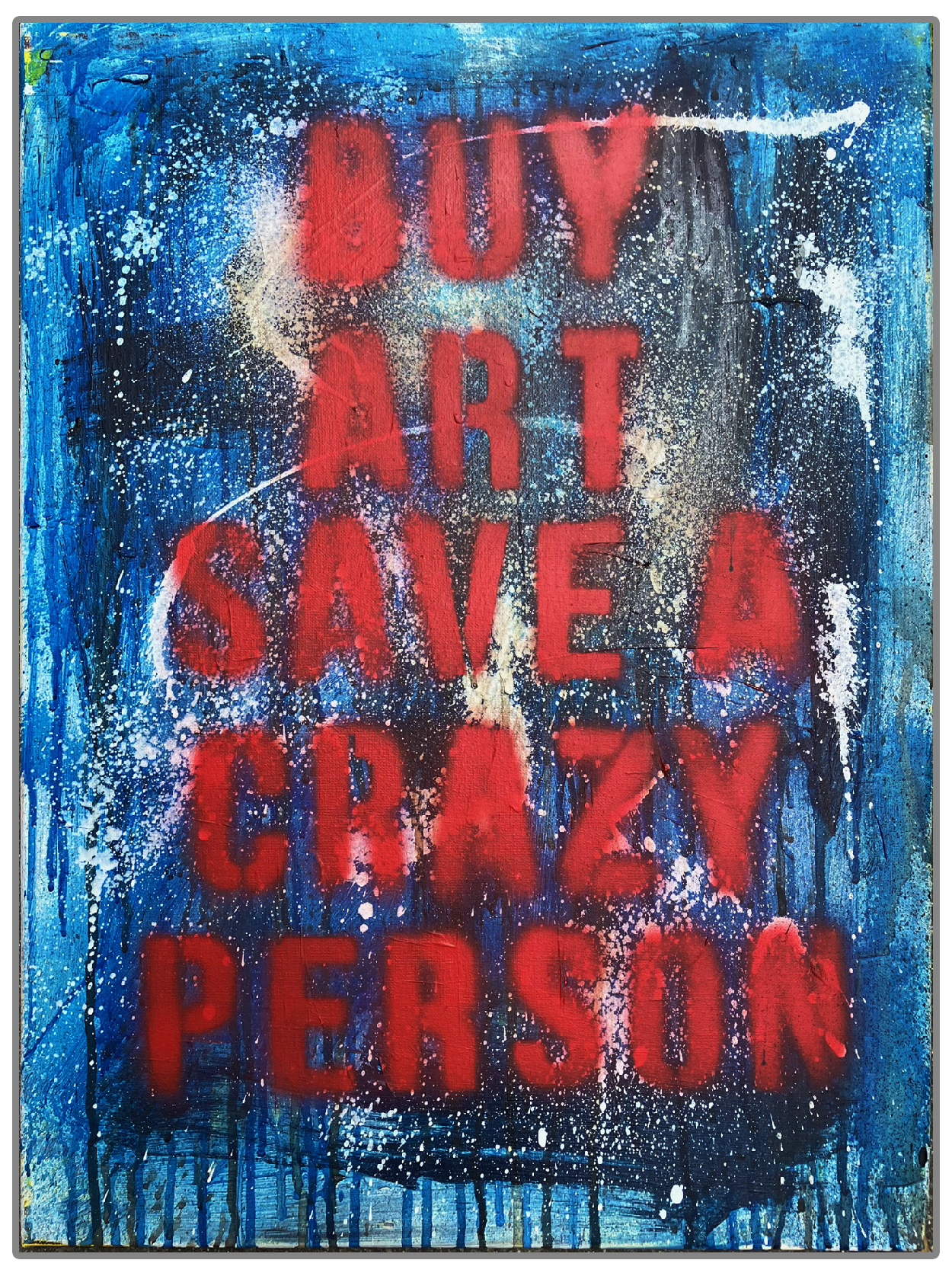
One of Otto’s most influential contributions to contemporary art is his viral street art slogan, Buy Art Save a Crazy Person—a provocative call to action that underscores the transformative power of creativity. This mantra has inspired artists worldwide to embrace their vulnerabilities and channel their struggles into meaningful work.
Throughout his career, Otto has showcased his work in notable venues such as Radiant Space and the Divine Design Fundraiser Auction, where he exhibited alongside David Hockney. His ability to innovate across multiple disciplines has earned him recognition in prominent publications like LA Weekly, Artillery Magazine, and Art Reveal Magazine.
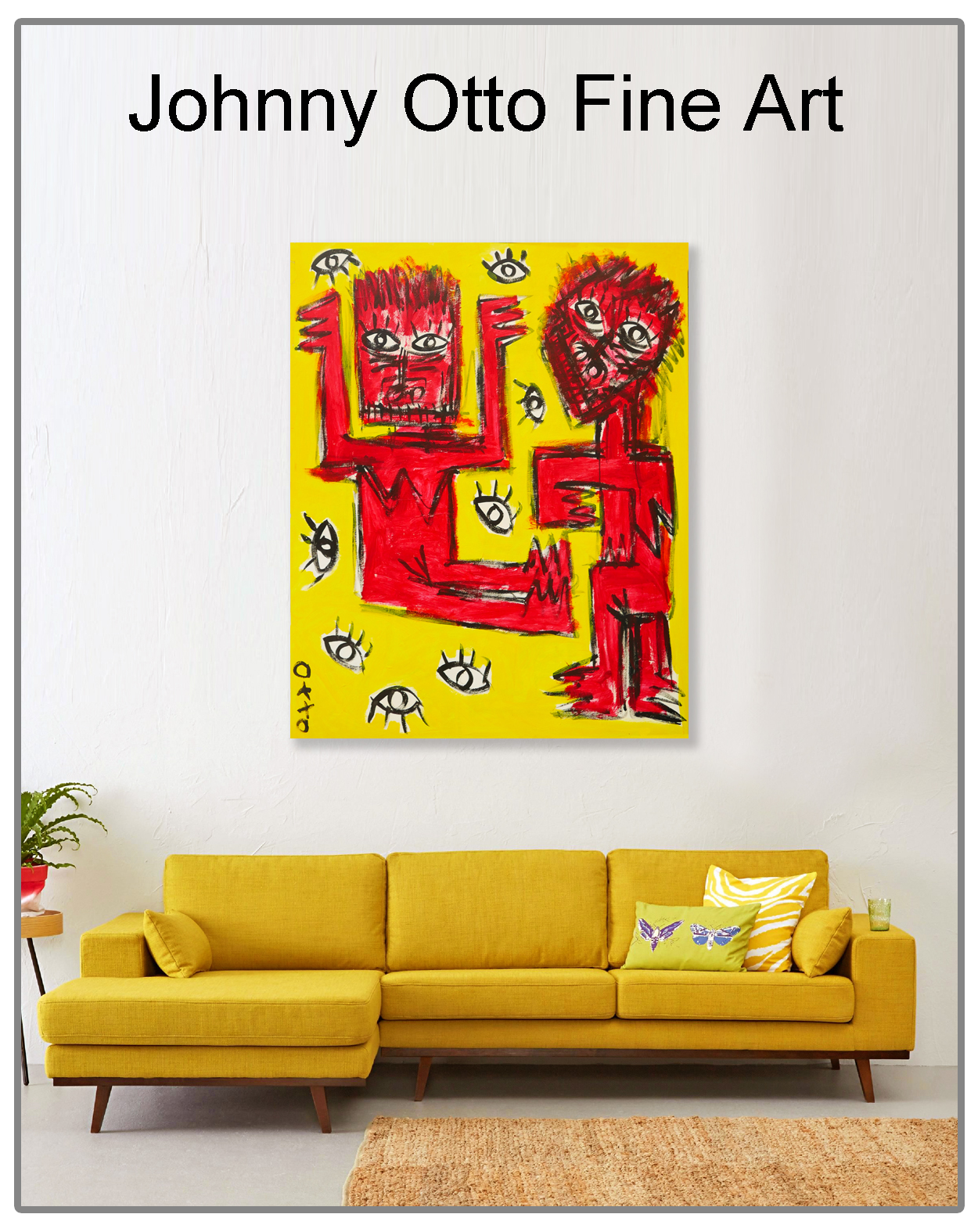
My work is deeply inspired by a childhood visit to the Detroit Institute of Arts, where I was first exposed to the museum’s vast African art collection. Walking through galleries filled with masks, carved wooden figures, ceremonial objects, and spiritual symbols left a permanent impression on me at an early age. There was an emotional and psychological power in those works that felt alive. The textures, distorted faces, exaggerated forms, and symbolic markings communicated something beyond language. Even as a child, I understood that these objects were not created simply as decoration. They carried ritual, identity, ancestry, spirituality, and human emotion within them.
That experience became one of the foundations of my artistic voice. I became fascinated with the raw honesty and primal energy embedded in traditional African art and how those visual languages could transcend time and culture. My work attempts to channel that same immediacy and emotional force while placing it within a contemporary framework shaped by modern life, media saturation, urban culture, anxiety, technology, and personal identity.
In my paintings, fragmented figures, masks, symbols, rough textures, and expressive line work often emerge as echoes of those early influences. I am interested in creating work that feels instinctive and emotionally charged rather than polished or restrained. I want the viewer to experience the same sense of mystery, intensity, and confrontation that I felt standing in front of those objects as a child. The primitive qualities in my work are intentional. They represent a return to something raw, human, spiritual, and unfiltered in a world that often feels overly manufactured and disconnected.
At the same time, I am not interested in recreating traditional African art or treating it as an artifact frozen in history. Instead, I aim to translate the emotional and symbolic power of those influences into a contemporary visual language that reflects the chaos and contradictions of modern existence. My work exists between past and present, ritual and rebellion, tradition and disruption. It is an attempt to bridge ancient forms of expression with the fractured psychological landscape of contemporary culture.